Research into type 1 diabetes
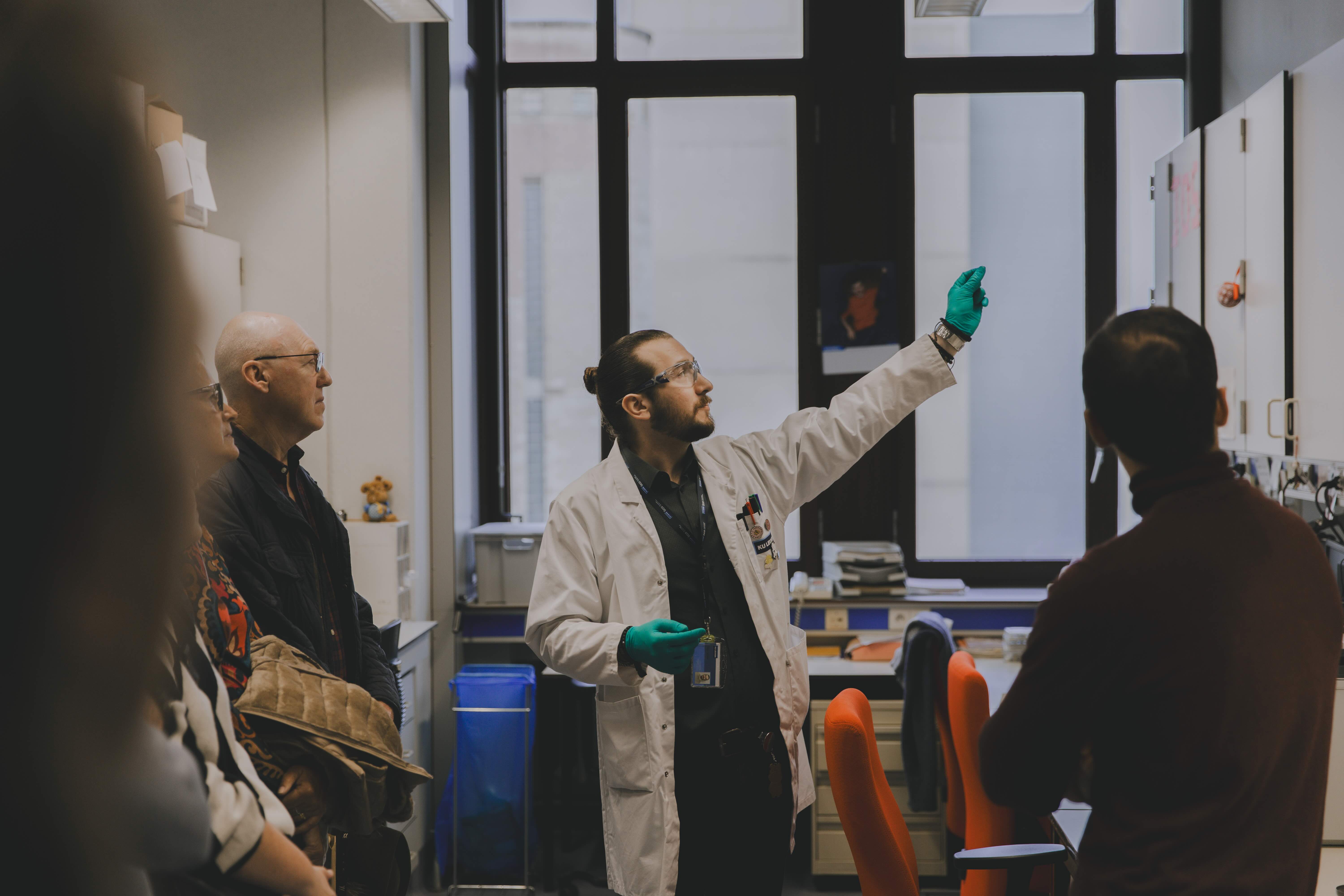
Research at KU Leuven
At KU Leuven we work together with a range of international groups and with industry in order to reach applicable results more quickly. The diabetes centre also works closely with UZ Leuven, so that fundamental research can be translated into clinical studies faster. A major focus lies on translational research, which bridges bench and bedside. Several lines of research run in parallel: RNA and protein research in human cells aims to find new biomarkers to detect and monitor type 1 diabetes faster and more accurately, and also to prevent and treat this chronic condition. These are ambitious goals, but we are going for nothing less than a world without type 1 diabetes. The KU Leuven team also coordinates INNODIA, one of the largest European consortia working on type 1 diabetes. This ensures immediate availability of human samples from patients and their blood relatives for translational research.
Research into immunological biomarkers
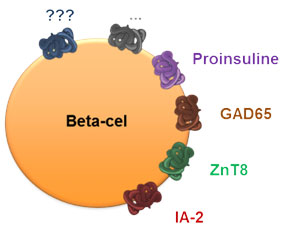
Research into immunological biomarkers, both for early detection and for more targeted treatment of type 1 diabetes, is gathering pace. Some of these biomarkers, such as autoantibodies, are well established but are not sensitive enough to reveal how the disease process differs from one individual to another.
Protein research in human insulin-producing beta cells focuses on identifying proteins that change within those cells under the influence of inflammation or other forms of stress, and that thereby contribute to triggering faulty immune responses against the beta cell. Some of these altered proteins move to the cell surface, making the beta cells more visible to the immune system (read more). These findings were first established in mice with type 1 diabetes and later in patients. Brand new technologies have recently been introduced at the diabetes centre.
Single-cell RNA sequencing makes it possible to examine the entire transcriptome cell by cell. The latest flow cytometry instruments also allow immune cells to be characterised throughout the whole disease process. In this way we hope to gain new insights into the disease and translate them into new treatment approaches.
Neutrophils
It is currently assumed that type 1 diabetes is mainly caused by the adaptive immune system, and more specifically by beta-cell-specific autoreactive T cells. These invade the islets of Langerhans in the pancreas, where they trigger an inflammatory response that results in an influx of other immune cells and the production of chemokines, cytokines and other molecules.
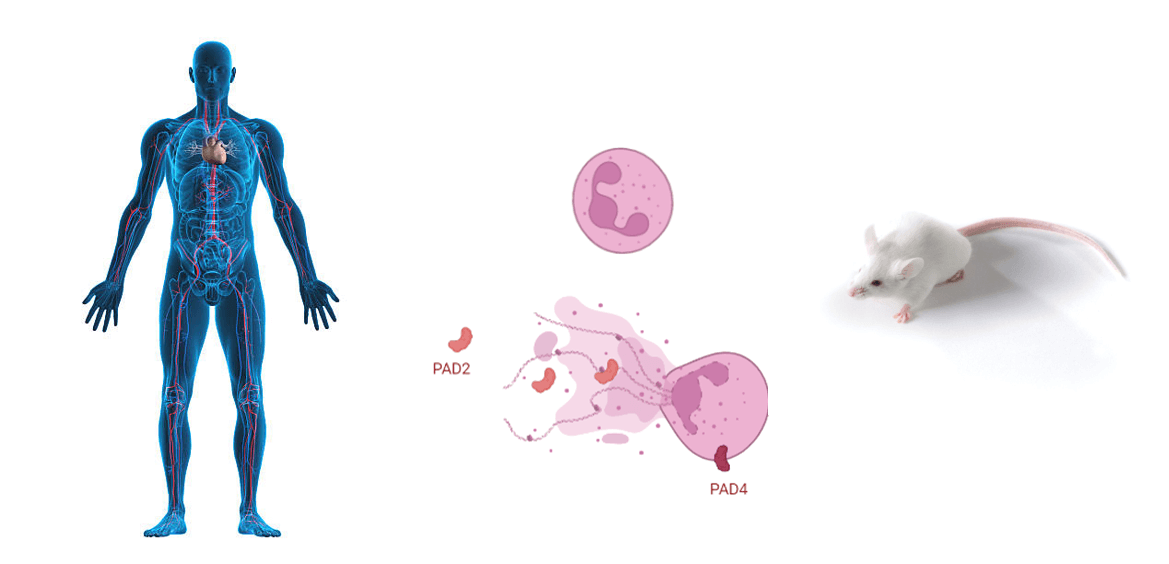
Interest has recently grown in the role of neutrophil granulocytes in the disease process of type 1 diabetes, based on studies using patient samples and mouse models. It remains unclear, however, how neutrophil granulocytes contribute to the onset and further course of the disease. Data from other autoimmune conditions also show that neutrophil extracellular traps (NETs) play an important role in how those diseases progress. A NET is a kind of sticky web of DNA strands. A neutrophil can cast out this web to capture bacteria. Unfortunately, bacteria are not the only trigger for NET formation: substances in the blood of people with autoimmune conditions can activate NETs as well.
At the diabetes centre at KU Leuven, neutrophil granulocytes from people and mice with type 1 diabetes are characterised phenotypically and functionally using the latest technologies. How do these cells communicate or interact with the adaptive immune system, and how can new insights contribute to developing preventive and curative treatments?
Immunotherapy
Through our gut, our immune system is exposed to a wide diversity of proteins from the food we eat and from the bacteria in our intestines (the gut flora or microbiota). Ingested proteins do not provoke an immune attack, a phenomenon known as 'oral tolerance'.
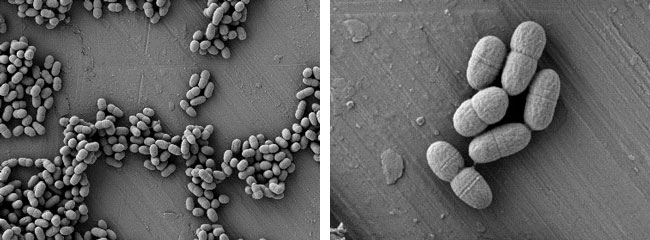
In collaboration with Precigen ActoBio, the diabetes laboratory at KU Leuven is investigating how a genetically modified lactic acid bacterium (Lactococcus lactis) can present proteins specific to the insulin-producing beta cells to the immune system of the gut.
The expectation is that the body will tolerate these proteins and therefore, hopefully, the beta cell as a whole. With this approach the disease process can be permanently halted in two out of three laboratory animals with type 1 diabetes (link; link). Based on these results, a first clinical study started in late October 2018 in people newly diagnosed with type 1 diabetes (link). Researchers are currently examining whether everyone can benefit from this therapy, which requires sensitive biomarkers capable of predicting who will respond well.
Vitamin D

Vitamin D is both a classic vitamin and a hormone. Sunlight is our main source of vitamin D: our body produces it in the skin under the influence of sunlight. A small proportion comes from our food. Besides its beneficial effects on the skeleton, we know that vitamin D also matters for the functioning of the pancreas and the immune system.
Vitamin D protects the insulin-producing beta cells against inflammation and has a favourable influence on the immune system, among other things by stimulating 'regulatory' immune cells that restore balance in the disrupted immune system in type 1 diabetes (link; link).
Our research has inspired scientists at the LUMC in the Netherlands, where a first clinical cell therapy using vitamin D in people with type 1 diabetes is currently under way. The KU Leuven team also showed that oral vitamin D partly prevents the development of type 1 diabetes in mice.
Research into vitamin D focuses mainly on understanding how this vitamin can change and re-educate the immune system. If we can understand that, we may be able to bring about the same changes with far more targeted medicines. Reason enough to go for a fifteen-minute walk in the sun at least once a day from now on, without overdoing it of course!