Pascal and his daughter Fay both have type 1 diabetes

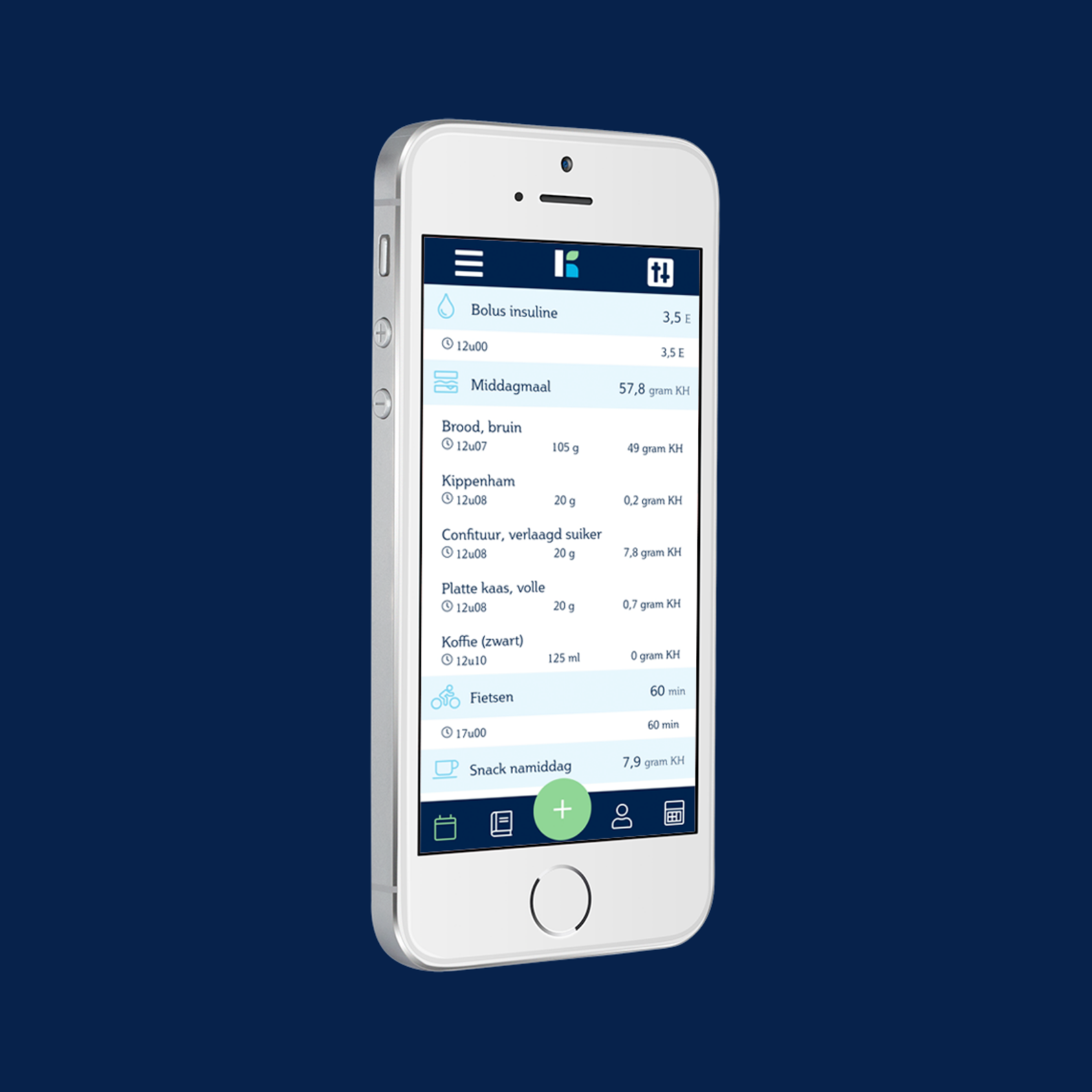
Pascal and his daughter Fay both have type 1 diabetes. Pascal uses the Smart InPen™ system and his daughter Fay the MiniMed™ 780G system. We spoke to Pascal about his experience as the parent of a daughter with type 1 diabetes and about how technology helps them in their daily lives.
At what age were you each diagnosed with type 1 diabetes?
I was diagnosed when I was 18. My daughter Fay was 8.
As a parent, were you ever worried that your child might develop type 1 diabetes too?
Not really. When we wanted to start a family, we discussed with doctors whether that was a possibility. They told us the chance of our children also developing type 1 diabetes was very small. Because it rarely happens that type 1 diabetes is passed from parent to child, I had not really taken into account that it might happen after all.
To what extent do you turn to each other for advice and support in dealing with type 1 diabetes?
As a parent you are an example for your child and someone they often look up to. So I always try to guide Fay in a positive way in everything she asks and does. I want to show her that we can simply do anything, despite our diabetes. That attitude helps her too. I notice that she takes on that attitude and my advice herself, and appreciates it.
Does having the same condition create a stronger bond? In what way?
Since the diagnosis we have indeed developed a closer bond, because we share the same experiences. Fay leans a lot on the knowledge and experience I have built up over the past 18 years. When Fay runs into problems or does not feel well, she knows she can always come to me, precisely because we both have diabetes.
As a father with type 1 diabetes, do you find it easier to let your daughter go, or are you actually more worried?
Both. I can let her go more easily because I know from experience that it will be fine. But Fay also has to find her own way with diabetes. We rely on the pump system she uses, but we have also taught her how to act when her blood sugar is high or low. On the other hand you also feel extra responsible because she has diabetes. And that in turn makes you anxious and uncertain.
How does technology help you in daily life with type 1 diabetes?
Thanks to the new tools it is very easy to keep a close eye on your child, and managing blood sugar levels is simpler. We trust the new technology and we are also teaching Fay to work with it and respond to it properly. The downside of this technology is the long adjustment period you have to go through at the start. You spend whole days on it, learning to use it well. Fortunately we can now let go of that more easily and we trust the technology. Often we only respond to the alarms when we are too high or too low. Now and then we check in between to see whether everything is in order, but that reflex is something you still have to learn yourself.
I do notice that I know my body better because I grew up with finger pricks and therefore recognise the symptoms of low or high blood sugar more easily. When you rely entirely on the technology, people who are diagnosed with type 1 diabetes in the future may sense this less well.
How do you look at your daughter's future as a father? Are there specific things you want to prepare her for?
Very positively! When I see how the 'diabetes world' has changed over the past 18 years and how the technology keeps improving and renewing itself, living with diabetes becomes ever "easier" and easier to manage.
What message would you like to pass on to other parents and children who both have type 1 diabetes?
That you are heroes in what you do for yourselves and for each other! Making mistakes is allowed. High and low readings are part of the type 1 diabetes journey. With growing children you cannot prevent that. Do not be too strict with yourself, with your child or with each other. You are already doing more than your best. Enjoy life and never let diabetes spoil the pursuit of your dreams. Sometimes it may take longer than for people without type 1 diabetes, but even on a bumpy road you reach your goal.
As a parent, make sure you have enough knowledge so that you can fall back on each other and do not face it alone. The fact that you as a parent or partner do not have diabetes yourself does not make your knowledge and experience any less important.
What awareness around type 1 diabetes do you feel is still missing? Are there things in your environment that bother you?
Type 1 diabetes is often underestimated. "It's just a bit of pricking and watching what you eat, nothing more." Just because we make it look simple does not mean it actually is simple. Type 1 diabetes is hard work. Both physically and mentally you have to stay alert 24/7. The mental burden needs more attention. Especially among young people. Sometimes 'time in range' comes second to 'time in happiness'. Keep talking to each other and make sure the people around you understand the burden that diabetes brings with it. That way we can help each other.
Powered by MiniMed.